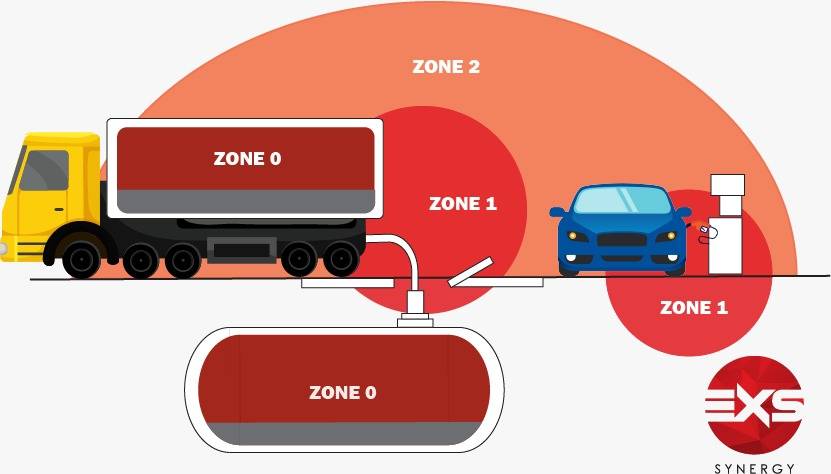
We’ve all done it. We bring friends, family – even children – with us to petrol stations to refill our cars with petrol. Most people do not realize that a petrol pump nozzle – while you are refuelling – is a Zone 1 hazardous area as defined by IEC 60079, a standard about explosive atmospheres. A Zone 1 area means that there is sufficient quantities of flammable gas in the surrounding atmosphere to create an explosion if there is an ignition source.
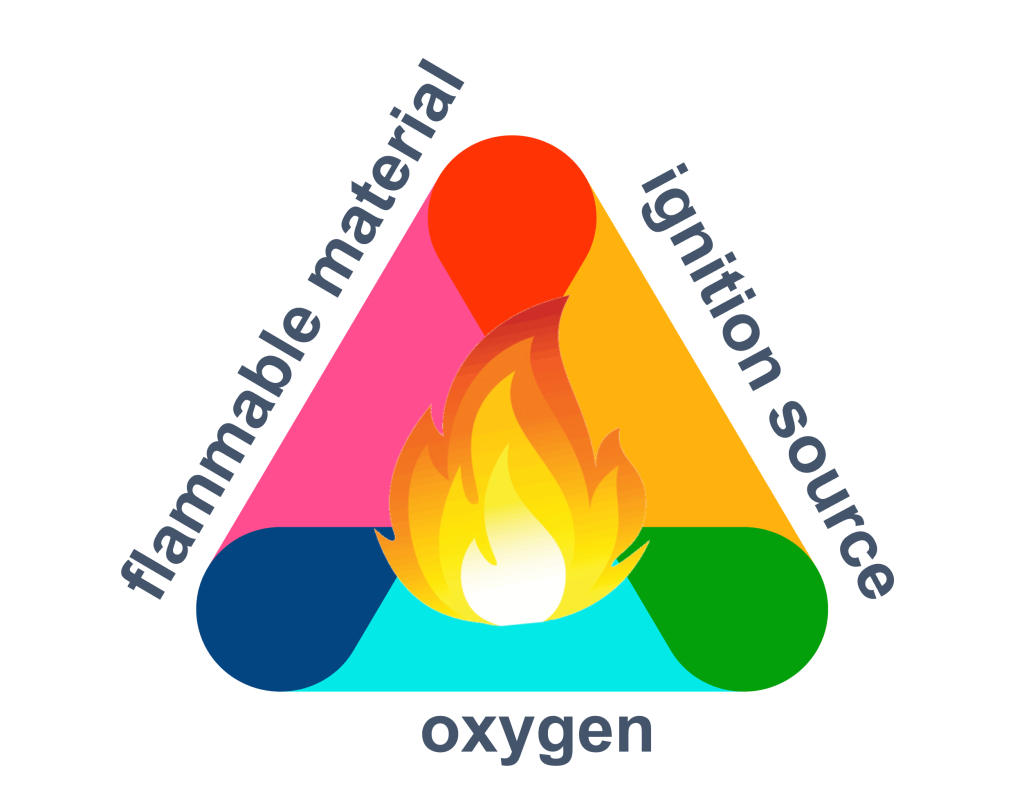
Petrol station forecourts typically have signages to remind you to turn off your car engine, not to smoke or use your mobile phone and to discharge yourself by touching the metallic body of your car. The fact is that the surrounding atmosphere at a petrol station forecourt is a designated hazardous area. What’s normally missing from the fire triangle (flammable gas – oxygen – ignition source) is the latter – an ignition source e.g. a lit cigarette, mobile phone radio wave, lightning or an electrostatic charge.
In these extraordinary times of the COVID-19 pandemic, the well-meaning person refueling with plastic gloves (protecting him/herself against a coronavirus) has just introduced a possible ignition source into a Zone 1 area.
The plastic gloves rubbing against your skin and the petrol nozzle handle might introduce an electrostatic charge. With oxygen present in the air, a probability of flammable material escaping the pump nozzle and the electrostatic charge from the plastic gloves completing the fire triangle, a disaster would well result from the simple act of refuelling. With the right amount of energy, an electrostatic charge may spark to ignite the gas at the petrol pump nozzle with you, the motorist, in its path of destruction.
Refuel without the plastic gloves on and touch the body of your car to discharge. Wash your hands or use hand sanitizer before you refuel and immediately afterwards. It might just save your life from both the virus and a potential explosion.