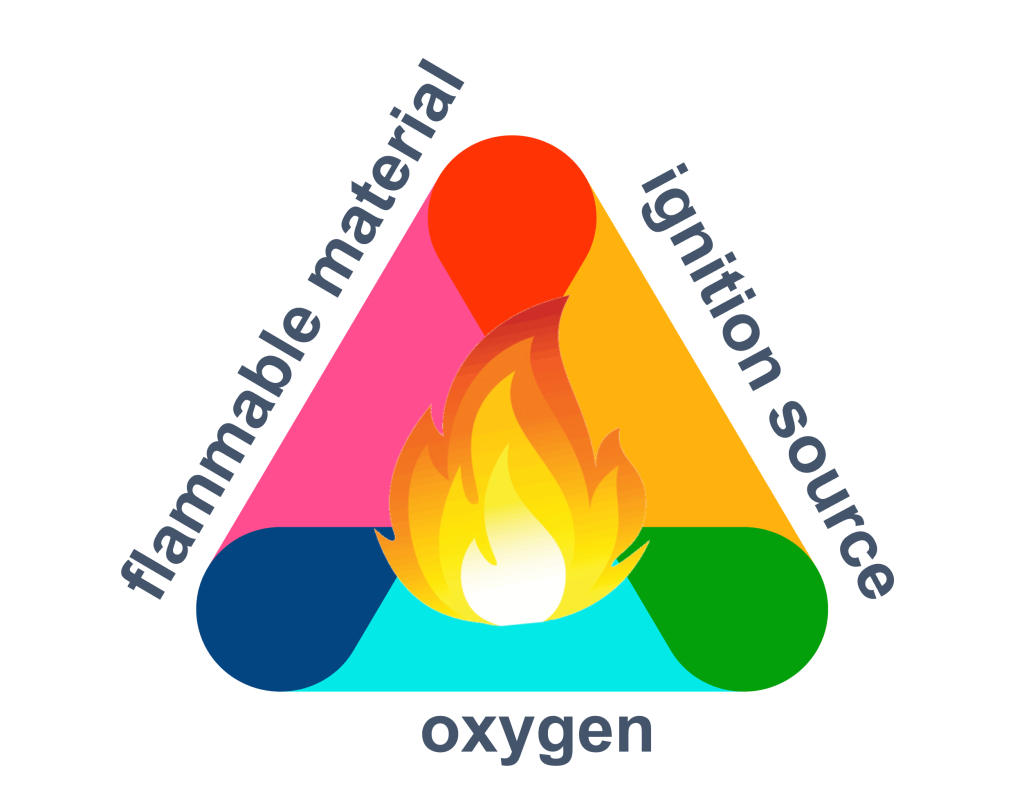
In Explosion-protection, prevention of explosions is the basic goal and main line of defense – deploying the techniques of substitution/elimination, control and mitigation of explosion risk of flammable material. Expressed in the fire triangle, the risk of explosion is lowered by deploying the techniques of substitution/elimination, control and mitigation of explosion risk is achieved by striking off one of the three elements required to cause an explosion.
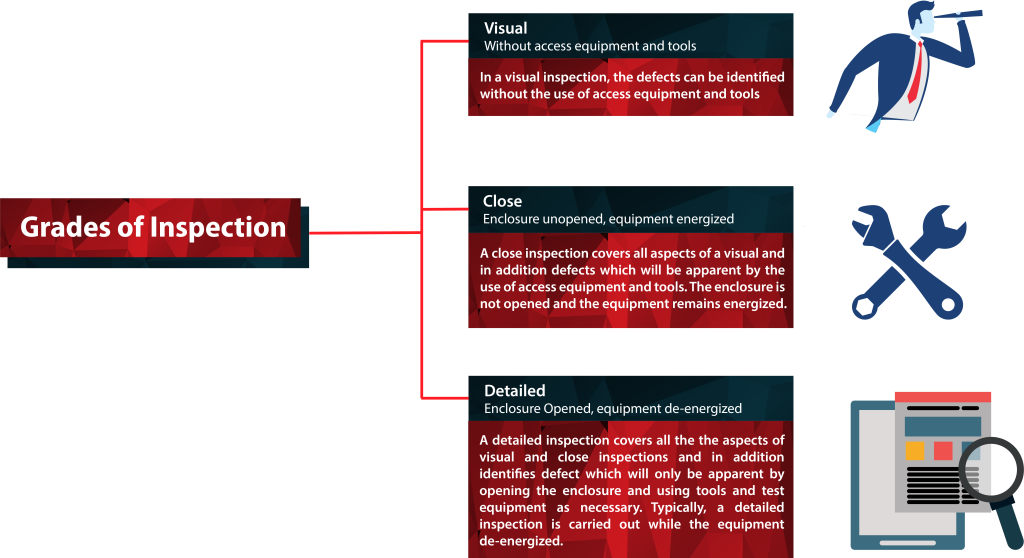
The Grades of Inspection
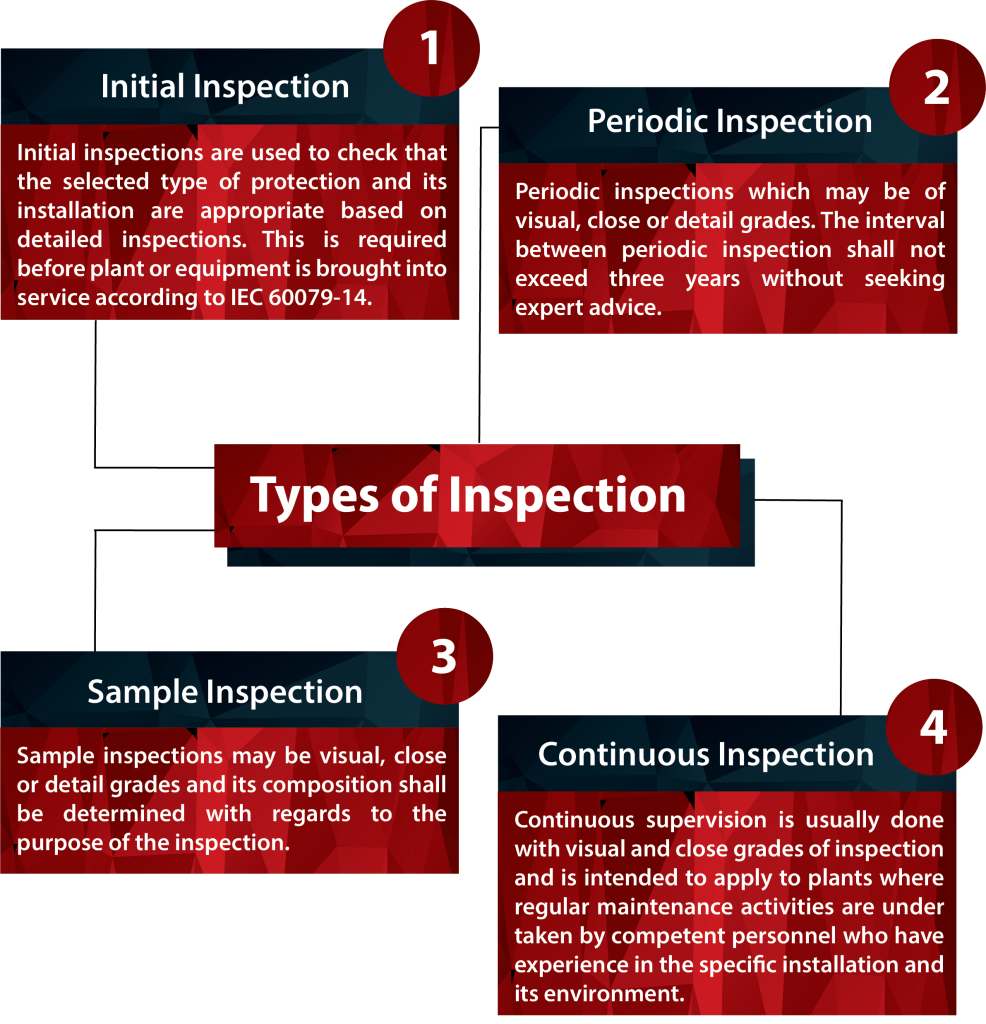
The grade of inspection according to IEC 60079-17 may be visual, close or detailed.
Competency Requirements
There are two major competency schemes renowned globally which dictates the competency requirements of personnel who are allowed to carry our inspection and maintenance in accordance with the principles laid out in the IEC 60079 series of standards – CompEx and IECEx.
In the CompEx scheme, which is operated by a company in the UK and accredited by UKAS, personnel with the the Ex01-Ex04 CompEx Inspection & Installation certificates are allowed to undertake the physical installation and assembly of new ‘Ex’ equipment and, who perform preventive maintenance and inspections on previously installed equipment.
In the IECEx Scheme for Certification of Personnel Competence units 007 & 008 requires the ability to work safely in a hazardous area, evaluate a verification dossier, identify explosion-protected equipment with their certification and specified location, inspect an installation for compliance and report and act on inspection results.
Local regulations, customs and laws coupled with company standards normally informs the user of which competency schemes would be allowed to perform inspection and maintenance activities on their facilities.
Conclusion
An inspection and maintenance regime for electrical equipment operating in hazardous area require additional expertise in its proper care due to its inherent safety characteristics that are unique to its protection type according to the various IEC 60079 standards. Therefore, a holistic view of its asset integrity management must address this specialist requirement in order to ensure its continued safe operation.